Hybrid Vs Electric Cars
Automobile
15 May 2026
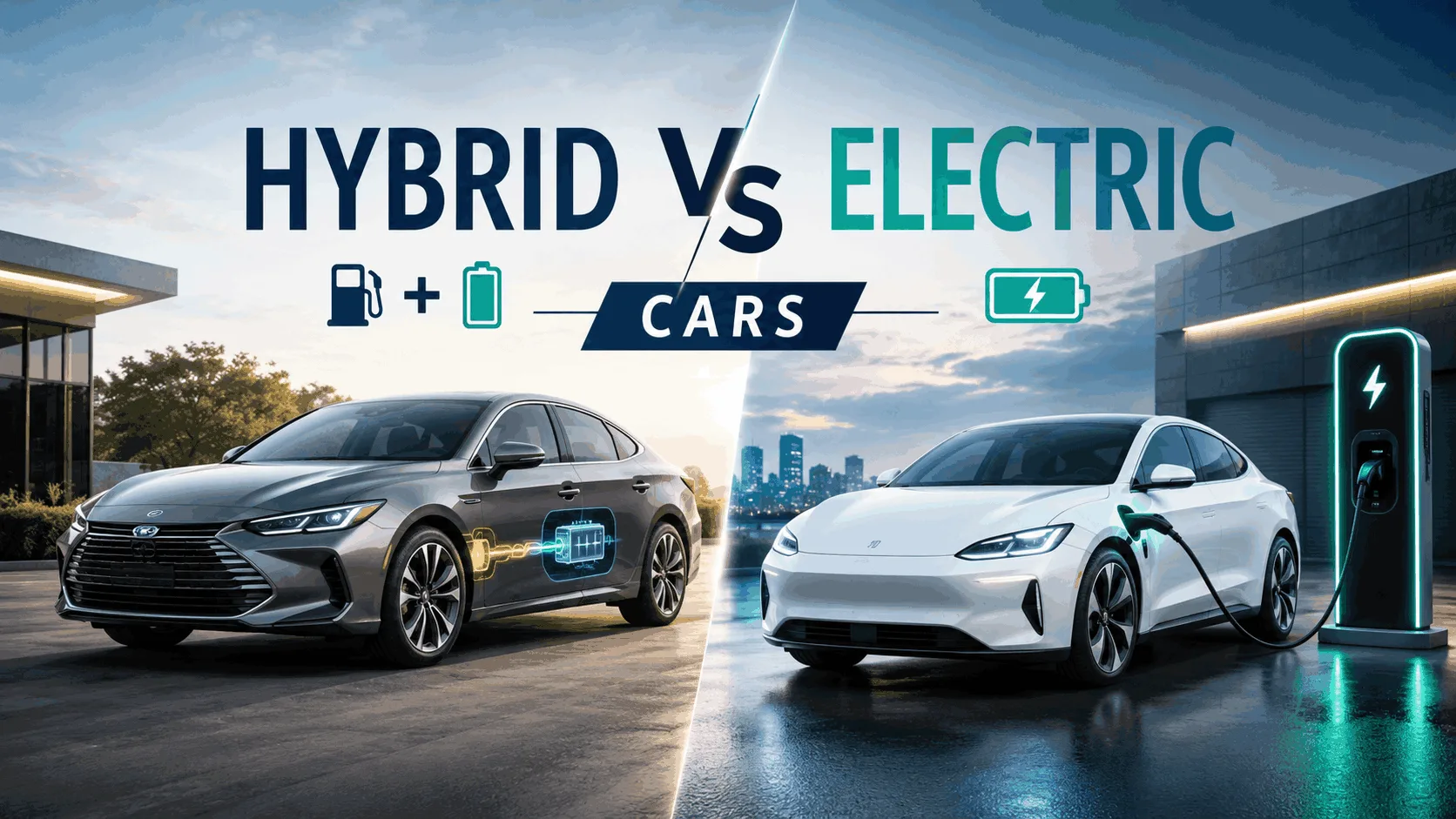
With the price of fuel increasing more drivers are considering what would ideally be a green option for them and are left choosing between hybrid and electric. Both options have benefits to the environment and to fuel costs, but the best choice ultimately comes down to what your routine and driving behavior are.
Hybrid Cars
A hybrid car is a combination of a gas-powered engine and an electric motor. The combination helps make the car more fuel efficient, and the driver doesn’t need to plug in the car to charge it. This is especially good for people who take long trips and who live in an area where charging infrastructure is limited. Because of the gas engine the driver can travel far without the concern of finding a charging station.
Electric Vehicles
Electric cars are battery powered completely, so they are gas free and chargeable at home. Because they have less moving components they are also cheaper to maintain. Many people who own an electric vehicle notice lower fuel costs as charging is cheaper to buy than gas. This may also make things more convenient for commuting.
Finding What Works for You
If your day-to-day road travel happens within a short distance and you have good access to at-home or work charging, you should consider getting an electric vehicle. However, if you frequently do longer trips and are not able to access charging, you should consider a hybrid.
The cost can also influence your decision. Although prices for electric vehicles are getting more affordable, hybrids typically have a lower cost.
Both electric vehicles and hybrids have advantages and disadvantages. An electric vehicle might be a better option for you if you have a short daily commute and good access to charging. A hybrid might be a better choice if your trips are longer and you have a more limited ability to charge. Your budget and charging access will also be important to consider.

We at Moneysaucer offer products that make lives better. Moneysaucer is a real-time financial marketplace. We leverage AI, trimming technology, and algorithms considering the user’s credit score.