Cybersecurity Tips to Protect Your Identity Online
Technology
11 Apr 2026
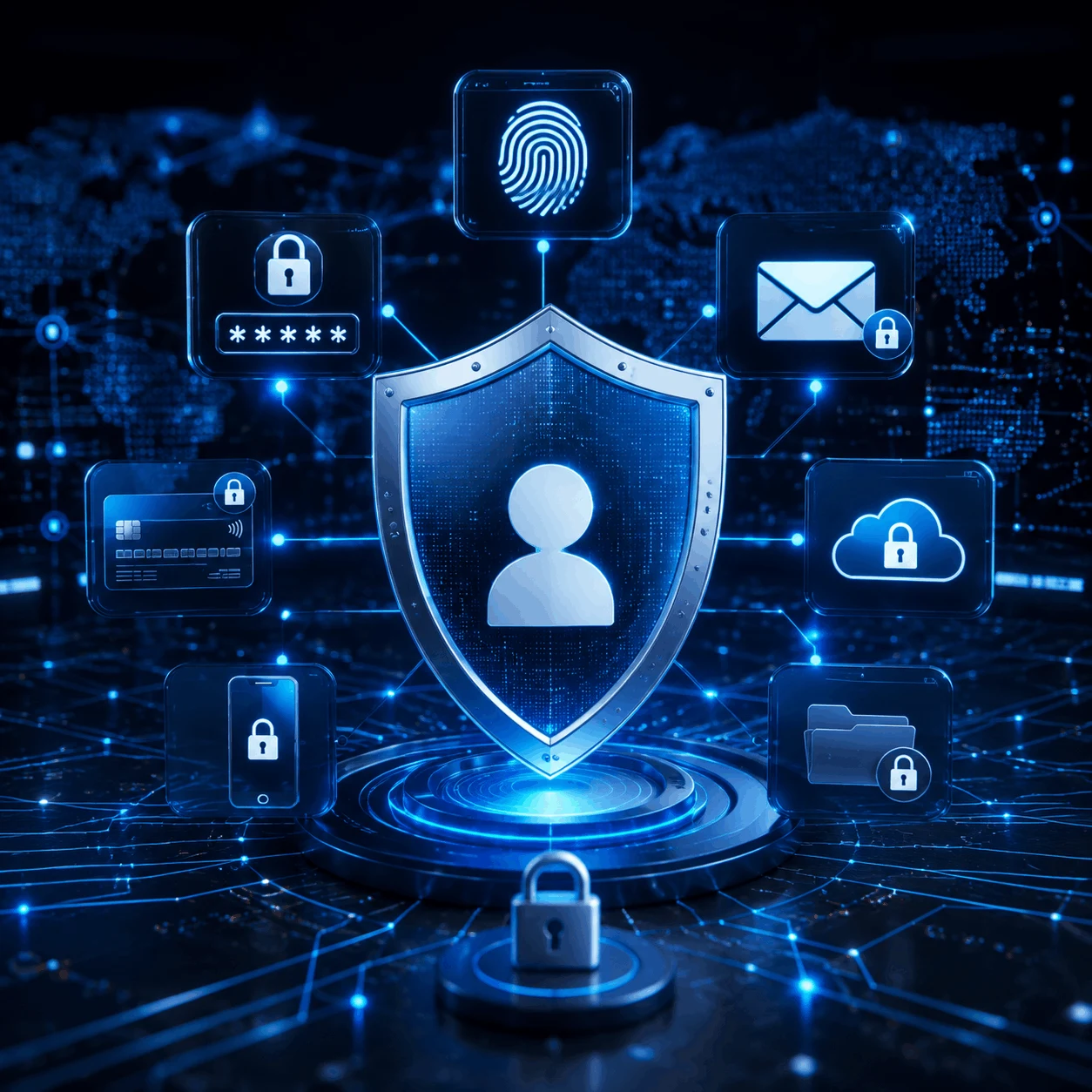
Introduction
Cyber-scams and identity theft increase since more and more of our private data goes online. However, a few easy practices can drastically lower your risk and keep your personal information and accounts protected.
Use Strong and Unique Passwords
One of the simplest methods to increase the security of your online account is to use various passwords for each account. A password manager can assist you to create and save complex passwords and reduce the temptation to use the same password across different websites.
Enable Two-Factor Authentication
Two-factor authentication is an added layer of security. Even if someone has the password to access your account, they will require a second step of verification to access your account. The majority of major websites and applications have this option.
Be Careful With Emails and Links
Cybercriminals frequently use fake emails or messages in order to steal personal information. Before clicking on any link examine the sender's name and look for indicators that a phishing attempt has been made. If you are unsure, go to the website directly instead of using a link that comes from an email.
Secure your online identity isn't a complicated task. Secure security measures, such as two-factor authentication and careful browsing habits can make a huge difference in safeguarding your personal information in the digital age.

We at Moneysaucer offer products that make lives better. Moneysaucer is a real-time financial marketplace. We leverage AI, trimming technology, and algorithms considering the user’s credit score.